


The research is clear.
One session helps. Consistency heals.
Float therapy, whole-body cryotherapy, and infrared sauna are not spa treatments. They are clinically studied physiological interventions with published peer-reviewed research behind them. This page exists to show you exactly what the science says, including the finding that matters most: that the people who experience the greatest and most lasting results are the ones who come consistently.

Your body learns. Every session teaches it something.
One session helps. Consistency heals.
What the peer-reviewed research shows for each therapy — a single session versus a consistent practice.
Magnesium Float Therapy
Single session
2–7 days
of measurable cortisol reduction, pain relief, and improved mood — documented across controlled studies in 65+ participants.
- 21.6% average cortisol reduction after one float (Int'l Journal of Stress Management)
- Improved sleep quality the same night
- Significant mood lift documented in all 50 participants after a single session
12 sessions over 7–8 weeks
6 months
of maintained benefits after the final session — reduced anxiety, better sleep, lower pain — measured at follow-up in a randomized controlled trial (BMC, Kjellgren & Westman).
- Weekly floating prevents full cortisol rebound between sessions
- Sustained lower stress baseline builds over time — not peaks and valleys
- Chronic pain reduction compounds across sessions
Whole-Body Cryotherapy
Single session
24–48 hrs
of peak anti-inflammatory response — endorphin surge, reduced swelling, and improved circulation documented immediately post-session.
- Significant drop in pro-inflammatory IL-2 after one session
- Rise in anti-inflammatory IL-10
- Muscle damage markers (creatine kinase) reduced after a single session
10-session loading phase + 2–3×/week
9 months
of sustained, durable hsCRP reduction — confirmed in a Stanford-affiliated 9-month cohort study at 6–7 sessions/month (Interactive Journal of Medical Research, 2024).
- 10–20 sessions required for initial systemic anti-inflammatory adaptation
- Benefits compound between sessions rather than resetting
- Chronic pain and disability scores continue improving with maintenance
Infrared Sauna
Single session
Same day
pain and stiffness reduction, cortisol drop, improved mood — even a single session shows measurable cardiovascular and musculoskeletal effects (Mayo Clinic Proceedings).
- Improved neuromuscular recovery vs. passive rest (2023 peer-reviewed study)
- Measurable pain and stiffness reduction in musculoskeletal conditions
- Deep detoxification through sweat — more thorough than standard perspiration
3–7 sessions per week, sustained
63% lower
risk of sudden cardiac death at 4–7 sessions/week — 20-year Finnish cohort of 2,315 men. Clear dose-response: more sessions, greater protection (Laukkanen et al., JAMA Internal Medicine).
- 27% cortisol reduction at 3 sessions/week over 4 weeks
- 47% reduced hypertension risk at 4–7 sessions/week over 24.7-year follow-up
- 50–77% fibromyalgia pain reduction across multiple clinical trials
Sources: International Journal of Stress Management · BMC Complementary and Alternative Medicine · Interactive Journal of Medical Research (2024) · JAMA Internal Medicine · Mayo Clinic Proceedings · Pain Medicine

Your body was designed to heal.
The single most consistent finding across float therapy, cryotherapy, and infrared sauna research is not that a single session produces benefits, though it does. It is that the benefits compound, deepen, and become lasting with repeated use. A single float session reduces cortisol and relieves pain for two to seven days. Twelve sessions, delivered consistently over seven to eight weeks, produce changes that researchers have measured four to six months after the last session. A single cryo session triggers a powerful anti-inflammatory response. Ten sessions over three weeks produce systemic changes in inflammatory chemistry, measurable reductions in the proteins that drive chronic inflammation, that don't disappear when the sessions stop. Three infrared sauna sessions per week for four weeks produce meaningful changes in cortisol, sleep quality, and cardiovascular markers. Four to seven sessions per week, sustained over months and years, are associated with dramatically lower risk of cardiovascular disease and all-cause mortality in the largest long-term studies conducted.
The pattern is the same across all three modalities: your body adapts, resets, and maintains a new, healthier baseline but only if you give it enough input to work with. A single session shows you what's possible. A consistent practice changes how you live.
Magnesium Float Therapy:
What the research actually shows
The most significant finding for chronic conditions comes from a randomized controlled pilot trial published in BMC Complementary and Alternative Medicine (Kjellgren & Westman, 2014), which followed participants through 12 float sessions over approximately seven weeks. The float group showed significant reductions in generalized anxiety symptoms and those reductions were still measurable at six-month follow-up. A meta-analysis of 27 studies covering 449 participants confirmed these findings, concluding that flotation REST consistently produces lower cortisol, lower blood pressure, and improved well-being and performance outcomes across diverse populations.
Additional research has documented benefits for chronic back and neck pain, insomnia, fibromyalgia, PTSD, and body image disorders, consistently showing that while a single session produces real same-day relief, the most meaningful and lasting change occurs across a series of consistent sessions.
Flotation REST (Reduced Environmental Stimulation Therapy) has been studied since the 1950s, with significant peer-reviewed research accumulating from the 1980s through the present. The most consistent findings across decades of study are measurable reductions in cortisol and blood pressure, significant decreases in chronic pain, improved sleep quality, and reductions in anxiety and depression symptoms, all documented in controlled trials.
A landmark study published in the International Journal of Stress Management measured cortisol in 65 participants before and after a single float session and found an average reduction of 21.6%. Importantly, this result was consistent across participants of different ages, genders, and baseline stress levels and effects lasted beyond the session itself, with most participants reporting improved stress response for two to three days following treatment. A separate study found that twice-weekly floating for four weeks not only reduced cortisol further but also increased endorphins and improved sleep quality.
21.6%
Cortisol reduction — single session Average cortisol drop after one float session across 65 participants — consistent regardless of age, gender, or baseline stress level (Int'l Journal of Stress Management)
6 months
Benefits maintained post-treatment Reduced anxiety, improved sleep, and lower pain — all still measurable 6 months after completing a 12-session float protocol (BMC Complementary and Alternative Medicine, Kjellgren & Westman)
27
Studies in the float therapy meta-analysis Covering 449 participants — consistently confirming reduced cortisol, lower blood pressure, and improved wellbeing and performance across diverse populations
12
Sessions — the research protocol Delivered over 7–8 weeks — the float protocol consistently associated with lasting, measurable change in stress, pain, and sleep outcomes in controlled research
Sources: International Journal of Stress Management · BMC Complementary and Alternative Medicine (Kjellgren & Westman, 2014) · Float REST meta-analysis, 449 participants
What the research says about frequency:
Weekly floating for the first month allows your nervous system to adapt and deepen its response. Cortisol returns toward baseline between sessions, but weekly or biweekly floating prevents a full rebound creating a sustained lower stress baseline over time rather than peaks and valleys. The research protocol consistently associated with lasting change is 12 sessions over 7–8 weeks. Monthly floating after that maintains the baseline established during the initial protocol.

Whole-Body Cryotherapy: What the research actually shows
The consistency finding
What the research says about frequency: The anti-inflammatory response after a single session is real but temporary. Most pronounced within 24–48 hours. The research establishes two distinct phases. The loading phase, 10 sessions over two weeks, is required to produce the initial systemic adaptation where your inflammatory chemistry begins to change at a baseline level. The maintenance phase, two to three sessions per week ongoing, sustains and deepens those changes. The 9-month Stanford-affiliated study confirms that this maintenance frequency produces durable, measurable results over time. People who complete the loading phase and transition to a maintenance routine are the ones who report lasting relief
Whole-body cryotherapy research has accelerated significantly over the past decade, moving from athlete recovery studies into clinical populations, chronic pain, rheumatic diseases, cardiovascular health, and mental health. The body of evidence now includes multiple randomized controlled trials and meta-analyses, with consistently positive findings.
A 2025 meta-analysis published in Scientific Reports, analyzing 11 randomized controlled trials, confirmed that whole-body cryotherapy produces measurable reductions in inflammatory markers across human populations including reductions in pro-inflammatory cytokines IL-6 and TNF-α. Clinical trials in patients with fibromyalgia, rheumatoid arthritis, ankylosing spondylitis, and chronic low back pain have shown significant reductions in both pain intensity and physical disability, with specific inflammatory chemistry changes including decreased pro-inflammatory IL-2 and increased anti-inflammatory IL-10.
A 2024 cohort study published in the Interactive Journal of Medical Research, conducted with Stanford University School of Medicine affiliation, followed 15 healthy adults over nine months of regular cryotherapy. Participants completing six to seven sessions per month showed steady, durable reductions in high-sensitivity C-reactive protein (hsCRP), a key systemic inflammation marker. As the study's lead researcher noted, the findings add to growing evidence that cryotherapy can manage systemic inflammation even in individuals before chronic disease develops, making it a genuine preventive as well as therapeutic tool. For athletes and active individuals, separate research confirms reductions in muscle-damage markers including creatine kinase, faster recovery from delayed onset muscle soreness, and improved performance in subsequent training sessions.
11
Randomized controlled trials Included in the 2025 Scientific Reports meta-analysis confirming whole-body cryotherapy produces measurable reductions in inflammatory markers across human populations
9 months
Sustained inflammation reduction Duration of the 2024 Stanford-affiliated cohort study confirming durable hsCRP reductions in participants completing 6–7 cryo sessions per month (Interactive Journal of Medical Research)
10–20
Sessions — the loading phase Required to produce the initial systemic anti-inflammatory adaptation — the research-established threshold at which your body's inflammatory chemistry begins to shift at a baseline level
3 min
Session duration The anti-inflammatory response is most pronounced within 24–48 hours of each session. With consistent use — 2 to 3 sessions per week — these responses compound rather than reset
Sources: Scientific Reports meta-analysis (2025, 11 RCTs) · Interactive Journal of Medical Research (2024, Stanford-affiliated) · Clinical trials in fibromyalgia, arthritis, and chronic low back pain
Infrared Sauna: What the research actually shows
63%
Lower sudden cardiac death risk In men using sauna 4–7 times per week vs. once per week — 20-year Finnish cohort tracking 2,315 men with a clear dose-response relationship (Laukkanen et al., JAMA Internal Medicine)
47%
Reduced hypertension risk With 4–7 weekly sauna sessions compared to once per week — confirmed over a 24.7-year median follow-up in the same Finnish longitudinal cohort (Laukkanen et al.)
27%
Cortisol reduction at 3× per week The research sweet spot for stress, sleep, and pain outcomes — the protocol used in the cortisol reduction studies, the sleep research, and the chronic pain clinical trials
50–77%
Fibromyalgia pain reduction Range reported across multiple clinical studies on infrared sauna therapy — with benefits persisting well beyond the active treatment period in multiple trials
Sources: JAMA Internal Medicine (Laukkanen et al., 2015) · Mayo Clinic Proceedings · Internal Medicine (Matsushita et al.) · Pain Medicine systematic review · 2023 neuromuscular recovery study
The research base for sauna therapy is among the most robust of any wellness intervention, anchored by a landmark 20-year prospective cohort study tracking 2,315 Finnish men, published in JAMA Internal Medicine (Laukkanen et al., 2015). That study found a clear, dose-dependent relationship between sauna frequency and cardiovascular outcomes: men using saunas four to seven times per week had a 63% lower risk of sudden cardiac death and a 40% lower risk of all-cause mortality compared to those using it once per week. Men using saunas two to three times per week showed intermediate benefits, meaningful, but not as dramatic. The pattern was consistent: more sessions, better outcomes, with no plateau identified at the frequencies studied.
A 2023 cohort analysis from the same research group confirmed that even men with high blood pressure who used the sauna three to seven times per week had significantly attenuated cardiovascular mortality risk compared to hypertensive men who used it infrequently, suggesting that regular sauna use may partially offset even established cardiovascular risk factors.
For chronic pain and inflammatory conditions, the evidence is equally compelling. A randomized controlled trial published in Internal Medicine (Matsushita et al.) found that far-infrared sauna reduced fibromyalgia pain by approximately 50%, with benefits persisting for months after the treatment period ended. A Dutch RCT in patients with rheumatoid arthritis completing an 8-week program reported significant reductions in pain, stiffness, and fatigue with no adverse effects. A systematic review in Pain Medicine concluded that infrared sauna therapy is a promising treatment for chronic pain, with the strongest evidence for fibromyalgia and chronic lower back pain. Across multiple studies, pain score reductions in fibromyalgia patients have ranged from 30 to 77%.
Additional research documents measurable improvements in sleep quality, blood pressure, circulation, detoxification, and neuromuscular recovery after resistance training with a 2023 study confirming that post-exercise infrared sauna sessions significantly outperform passive rest for recovery outcomes.
What the research says about frequency:
Three sessions per week is the research-established sweet spot for most outcomes and is the protocol used in the cortisol reduction studies, the sleep research, and the chronic pain trials. The Finnish cardiovascular data shows that two to three sessions per week produces meaningful benefit, with four to seven per week producing the most dramatic long-term outcomes. The cardiovascular and longevity benefits are specifically associated with sustained, regular use over months and years, not occasional sessions. As the researchers note, the data shows a clear dose-response relationship: the more consistently you use a sauna, the greater the protection. Monthly sauna use maintains a wellness baseline. Weekly use produces functional change. Daily use, for those who can build that habit, is associated with the most profound long-term outcomes in the research.
Three mechanisms. One shared goal.
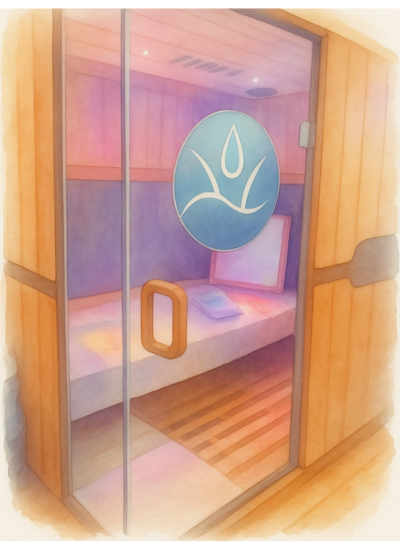
Infrared Sauna → Circulation & Cellular Health
· Deep tissue heating
· Heat shock protein activation
· Cardiovascular conditioning · Detoxification · Circulation increase
· Sleep quality improvement
· Autonomic nervous system regulation
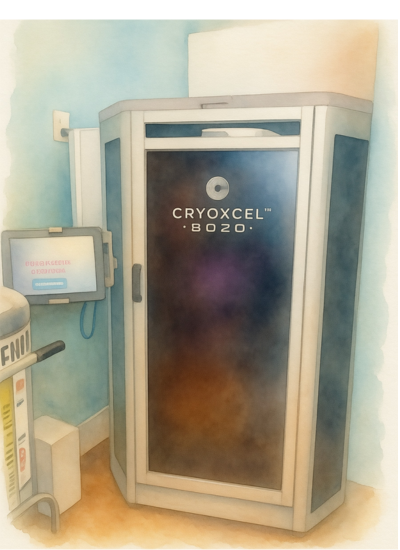
Cryotherapy → Inflammation
· Anti-inflammatory cytokine shift
· Endorphin and norepinephrine release
· hsCRP reduction
· Muscle damage marker reduction
· Immune modulation
· Hormetic stress adaptation

Float Therapy → Nervous System
· Parasympathetic activation
· Cortisol reduction
· Theta wave states
· Magnesium transdermal absorption
· Spinal decompression · Pain signal reduction
Why combining therapies compounds the results.
Float therapy, cryotherapy, and infrared sauna each work through different physiological mechanisms and that is precisely why they compound so powerfully when combined. They are not three versions of the same thing. They are three different tools addressing the same underlying problem from different angles simultaneously.
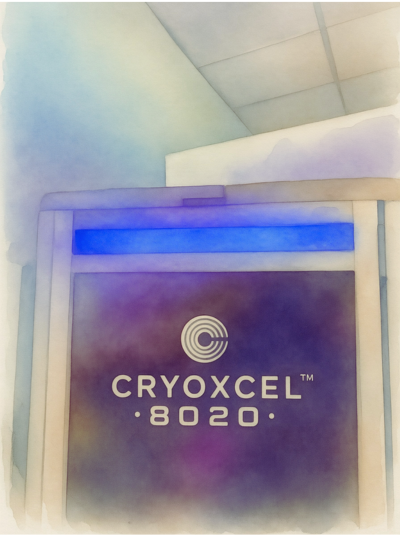
Float therapy works primarily through the nervous system, activating the parasympathetic branch, reducing cortisol, and producing theta brainwave states associated with deep healing. Cryotherapy works primarily through the inflammatory system , triggering a hormetic cold stress response that drives anti-inflammatory cytokine shifts and endorphin release. Infrared sauna works primarily through circulation and cellular recovery, driving deep tissue heating, heat shock protein activation, cardiovascular conditioning, and detoxification through sweat.
Together, these three modalities address every major recovery pathway the body uses: nervous system regulation, inflammatory chemistry, and cellular repair. A person managing chronic pain, for example, benefits from float therapy reducing the nervous system's amplification of pain signals, cryotherapy reducing the underlying inflammatory drivers of pain, and infrared sauna improving circulation to oxygen-starved tissues and loosening chronically contracted muscles. Each therapy reinforces the others. The whole is measurably greater than the sum of its parts.

FAQs
Is there really peer-reviewed research on these therapies?
1
Yes. Flotation REST has been studied since the 1950s with published research in journals including BMC Complementary and Alternative Medicine, the International Journal of Stress Management, and Sleep Science. Cryotherapy research has been published in Scientific Reports, the Interactive Journal of Medical Research, and multiple rheumatology journals. Infrared sauna research has been published in JAMA Internal Medicine, Mayo Clinic Proceedings, Internal Medicine, and Pain Medicine, among others. The evidence base is substantial and growing.
How long before I notice results?
2
Most people notice something after a single session, reduced tension, clearer head, less pain, better sleep that night. The research shows these single-session effects last two to seven days depending on the modality and the individual. Lasting change, the kind that alters your baseline and stays, typically requires consistent sessions over four to eight weeks.
Are these therapies safe?
3
All three modalities have excellent safety profiles in the published research, with no serious adverse events reported in clinical trials when standard protocols are followed. There are contraindications for certain conditions, if you have cardiovascular disease, are pregnant, or have specific medical conditions, please consult your physician and tell us before booking. We will always give you a straight answer about whether a therapy is appropriate for your situation.
Do I need to do all three?
4
No. Each modality is effective on its own, and many of our guests focus on one. But the research supports the combination approach for people managing chronic conditions or looking for the most comprehensive results, because the three mechanisms work through different pathways and compound each other. If you're not sure where to start, call or text us at (307) 215-6219 and we'll help you figure it out.